Winter readiness for Kansas homes
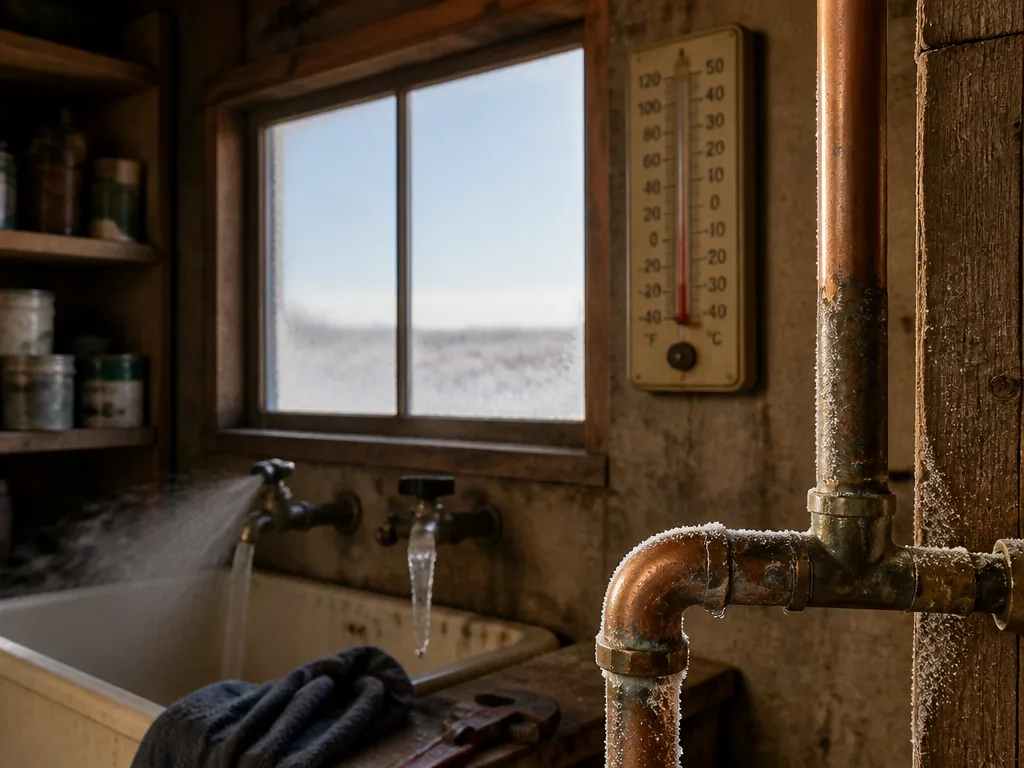
Winter adds stress from freezing temperatures and occasional power outages that disrupt sump pump function. In Kansas, empty space around pipes can lead to freezing if heat tapes fail or insulation sinks below a safe threshold. Check exposed pipes in the basement or crawl spaces and wrap any that feel cold to the touch. If you have an exterior faucet, consider insulating it or shutting the valve to reduce the chance of freezing inside the line.
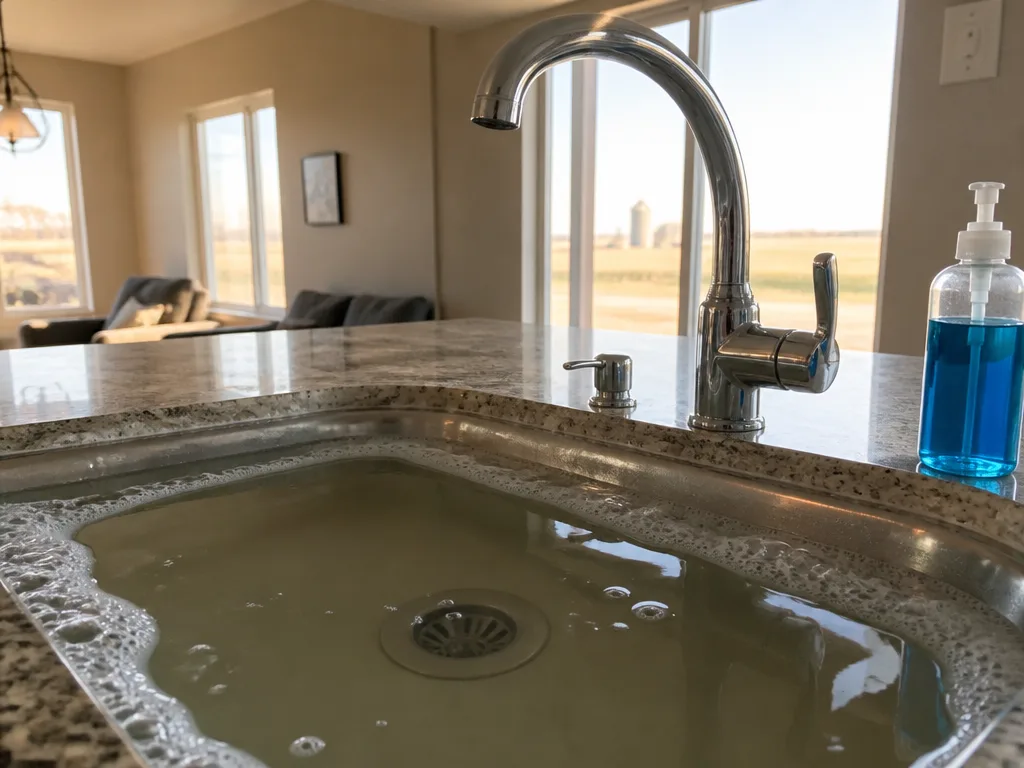
Drains can slow when indoor humidity drops in the winter. Keep a steady flow of water through traps to avoid sewer gas entering living spaces. If you notice sudden cold snaps or pipes that feel stiff, call a plumber to inspect before a problem becomes an emergency.
Spring and early summer care across Kansas
With spring rains and lawn irrigation, the risk of clogs rises. Clear your outdoor drainage and ensure yard work doesn’t push debris into the drain line. Check outdoor spigots for leaks and replace washers if you hear a drip between uses. In many Kansas homes, a routine flush of the main line helps keep clogs from forming as the ground stays moist and warm.
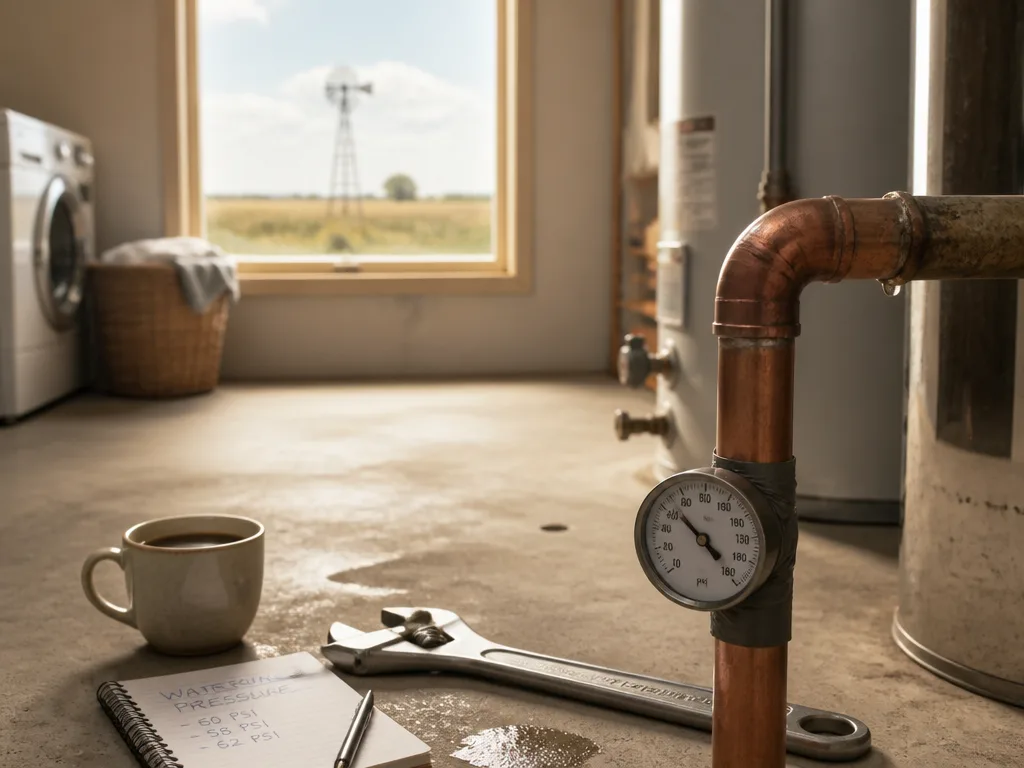
Inspect hot water systems as well. Sediment buildup over months can reduce efficiency. If you notice inconsistent hot water or noises from the water heater cabinet, a plumber can perform a refresher service that improves heating and reduces sediment buildup.
Fall maintenance to prevent winter calls
As temperatures start to fall, inspect insulation around exposed piping. Replacing worn insulation on exposed lines can save energy and prevent freezing. If you have a sump pump, test it before the first big freeze. Pour a bucket of water into the pit and listen for the switch to engage. If it doesn’t, call a plumber to service or replace the unit before you need it in a real storm.
Across Kansas, our crews keep a steady schedule for seasonal checks. You get predictable service, a clear explanation, and a plan that fits your home and your budget.